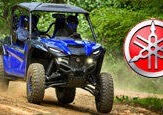

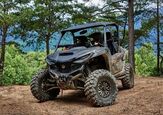
Honda Pioneer 1000 Trail: Built for Work, Ready for the Weekend


After watching Episode 1 of Modern Day Pioneer, it is easy to focus on the work. Fence repairs, feeder runs, long miles across rough leases. That is where the Honda Pioneer 1000 Trail proves itself first. But spend more time around the machine, and a second role starts to come into focus.
This is not just a work vehicle. It is a platform that carries over into recreation without needing to change what it is.
A Workhorse at Its Core
At the center of the Pioneer 1000 Trail is a 999cc liquid-cooled parallel twin engine. It is tuned to deliver usable torque where it matters most. That means pulling a loaded cargo bed, climbing uneven terrain, and maintaining steady power across long distances.
The engine is mounted longitudinally, which helps balance the chassis and keeps power delivery smooth. It also aligns the crankshaft front-to-back, sending power directly to the wheels without unnecessary changes in direction. That translates into efficiency and durability over time.
Paired with this engine is Honda’s six-speed Dual Clutch Transmission. It allows the Pioneer to operate as a fully automatic when covering distance, then shift into manual control when precision is needed. This is especially useful in terrain where traction changes quickly.

Suspension That Handles the Real World
Ranch terrain is unpredictable. Washouts, ruts, and loose surfaces are part of the job. The Pioneer’s independent double wishbone suspension is designed to handle exactly that.
With over ten inches of travel and preload adjustability, it keeps the tires in contact with the ground and reduces the impact felt inside the cab. That matters during long workdays, but it also matters when the work is done.
On trails, the same suspension keeps the ride composed. Instead of feeling like a work vehicle pushed beyond its limits, the Pioneer remains controlled and stable.
Utility Without Compromise
A true utility machine needs to carry its weight. The Pioneer delivers with a 1,000-pound cargo bed and a 2,500-pound towing capacity.
The bed is large enough for feed, fencing supplies, or tools. The towing capacity allows it to move trailers and equipment across the property without relying on a truck.
A factory-installed 4,500-pound winch adds another layer of capability. It is there for clearing debris, recovering stuck equipment, or handling unexpected problems that come with working land.
Despite these features, the Pioneer does not feel oversized or limited when used recreationally. It remains responsive and easy to maneuver.

From Chores to Trails
One of the biggest advantages of the Pioneer 1000 Trail is that it does not require a shift in mindset to go from work to recreation.
After a full day of hauling gear and checking property, the same machine can be used to explore trails, ride fence lines for scouting, or simply enjoy the land. The transition is natural because the capability is already built in.
The 27-inch tires provide enough clearance for rough terrain while maintaining stability. The drive modes allow the operator to adapt to changing conditions without stopping.
Comfort That Carries Over
Comfort is often overlooked in utility vehicles, but it becomes important over time. The Pioneer’s seating, layout, and reduced vibration make it easier to spend long hours behind the wheel.
That same comfort makes recreational use more enjoyable. Whether it is a short ride or a full afternoon on the trail, the machine supports the driver instead of wearing them down.

Pioneer 1000 vs. Pioneer 700: Which is right for you?
- Pioneer 700 is a more compact side-by-side for everyday ranch chores, tighter trails, and easier storage/transport.
- Pioneer 1000 features maximum capability for bigger jobs, heavier loads, and more demanding terrain.
- QuickFlip seating is available on both Pioneer 700 and Pioneer 1000, so you can convert passenger space into in-cab cargo flexibility when the job calls for it.
- If you’re buying for the long haul and want room to grow into bigger projects, 1000 is the step-up.
- If you want the tool that fits most daily needs without feeling oversized, 700 is the sweet spot.
Pioneer 1000 Trail FAQ
Is the Pioneer 1000 Trail good for both work and recreation?
Yes. It is designed as a utility vehicle first, but its suspension, transmission, and overall balance make it capable on trails as well.
How does the Dual Clutch Transmission compare to a belt drive?
The DCT uses gears instead of a belt, which reduces slip under load and provides more consistent power delivery.
What kind of terrain can it handle?
It is built for mixed terrain including mud, sand, rock, and uneven ground commonly found on ranches and trail systems.
Is it comfortable for long rides?
Yes. The seating position, suspension, and reduced vibration make it suitable for extended use.
Can it be used for light trail riding and exploring?
Absolutely. Many owners use it for both work and recreation without needing a second vehicle.
More Than a Job Site Machine
The Honda Pioneer 1000 Trail proves its value during the workday, but its real strength is what happens after the work is done.
It is a machine that earns its place on the property and still has more to offer when the day slows down. For owners who want one vehicle that can handle both responsibility and recreation, it delivers on both fronts without compromise.

More by Ben







Comments
Join the conversation