Farm ATV Safety: 8 Rules That Keep Riders Alive

On our operation, the four-wheeler earns its keep every day. We scout fields, check cattle, and haul tools and small loads across ground a truck cannot reach. That same convenience carries real danger. ATVs and UTVs kill more than 700 people and send over 100,000 to emergency rooms in the United States each year, and on farms the worst of it falls on young riders. Most of these accidents follow predictable patterns.
The rules below are ordered by how often they prevent the incidents that actually put farm riders in the hospital. Work through them before your next chore run.
1. Match the Machine to the Rider
Adult, work-size machines carry engines from 90 cc up to 700 cc or beyond, geared for speeds above 70 mph. Children under 16 often lack the physical size and emotional maturity to control most of these machines, and they have no business on an adult-sized ATV or any model with an engine larger than 90 cc. Manufacturers advise that children between 6 and 11 should not run an ATV with an engine over 70 cc. If you have youth on the operation, use an established readiness checklist before you hand over the keys, and match every rider to a machine sized for age and build.
2. Slow Down for the Job
Speed is the single factor that turns a routine turn into a rollover. A split-second turn or a shift in body weight at high speed can cause you to lose control. Serious injury incidents climb sharply as speed climbs. There is rarely any reason to run faster than 25 mph in farm work, so set your pace by terrain and visibility, not by what the machine can do. Slower ground means slower riding.
3. Respect the Terrain to Prevent Rollovers
Rollovers happen on steep and uneven ground, in ditches, and around large rocks, and they happen fast. Many models lack rollbars entirely; if yours has one, wear the seatbelt so you stay inside the protective structure. When climbing a slope, shift your weight forward and keep both feet on the footrests. If the machine stalls or drifts backward, apply the brakes slowly, stop, dismount, and guide it down on foot using the hand brakes. Descending, drop into a lower gear, sit toward the back of the seat, and keep your feet planted. Avoid driving across a steep slope whenever you can. A machine with coil-spring shock absorbers reduces the side-to-side pitching that leads to a flip.
4. Never Carry a Passenger
The long seat on many ATVs looks built for two, but its real purpose is to let a single rider shift weight while steering. Adding a second person changes the machine's center of gravity and gets in the way when you need to steer and control it. Never carry a passenger unless the model was designed and built to carry more than one person.
5. Load and Tow Within the Limits
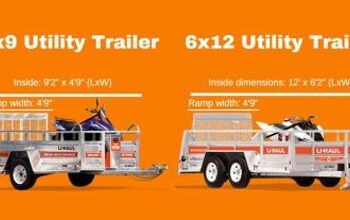
Hauling firewood, feed, or equipment introduces its own set of failures. A heavy load, particularly on a slope, can make the machine jackknife, slide out of control, or roll. To guard against a rear overturn, keep no more than a third of the ATV's weight over the rear rack, and distribute loads evenly between the front and rear racks for better control. When towing, keep the load at or below the combined weight of the machine and operator, and attach it only at the hitch point the manufacturer specifies. Some attachments, such as tow-behind mowers, can exceed your braking capacity. Check the manufacturer's weight limit before you load anything, and confirm that your ATV plus rider plus load stays under it. Balance the load and secure it so nothing shifts once you get moving.
6. Watch for Roads, Water, and Hidden Obstacles
Because farm ATVs so often run near roads, collisions with cars and trucks rank among the most serious risks. Leave at least a two-second gap behind other vehicles so you have time to react. When you cross a road, come to a full stop on the shoulder and cross only where you can see clearly in both directions. Water carries its own hazard: ponds, creeks, and rivers raise the drowning risk, and in winter, currents beneath the surface can leave thin ice that gives out with no warning. On the ground itself, watch for the obstacles a truck driver never worries about — downed fences, culverts, and stumps that can stop a wheel and pitch the machine.
7. Gear Up, Both You and the Machine
Proper gear separates a minor spill from a hospital stay. Wear an ATV-appropriate helmet, not a bicycle helmet, plus goggles or a face shield to keep out debris, insects, ice, and snow. Add long pants, a long-sleeve shirt, gloves, and solid boots with the laces tied down. Keep clothing thick enough to protect you but not so baggy it can catch on the machine. Your ATV needs its own gear too. Fit it with a visibility flag and working lights, which matter most where other vehicles operate. Where required, an ATV driven on a public road must carry a slow-moving vehicle emblem.
8. Get Trained, and Check In
An ATV handles differently from anything else on the farm, so run every new rider through a safety course before turning them loose. Some states require it: Iowa mandates that riders ages 12 to 17 complete an online safety course before running an ATV on public land, ice, or designated riding areas. Never ride with alcohol or drugs in your system — alcohol contributes to nearly 10 percent of all ATV injuries and 30 percent of fatal incidents. When anyone works alone, set up a check-in procedure: know where they are, what they are doing, when they should return, and how to reach them. If an injured rider cannot call for help, a missed check-in may be what leads you to them.
Choosing Your Priorities
If you can only fix a few habits this week, start with speed and passengers, since those two account for a large share of preventable rollovers and loss-of-control crashes. Follow with a proper pre-ride check — oil, fuel, tire pressure, lights, throttle, and secure racks — and a load plan that respects the one-third rear-rack limit. Everything else, from gear to training to check-ins, builds on that foundation. Follow these rules and the four-wheeler stays what it should be: the machine you reach for first every morning, not the one that puts you in a cast.

More by ATV.com Staff







Comments
Join the conversation